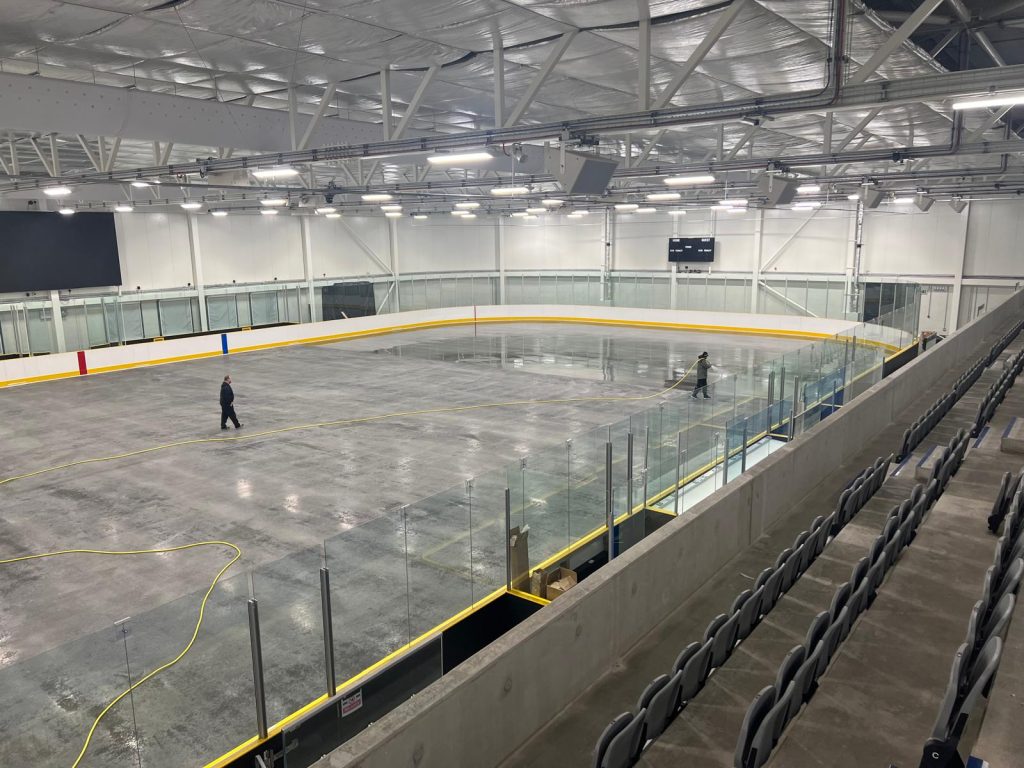
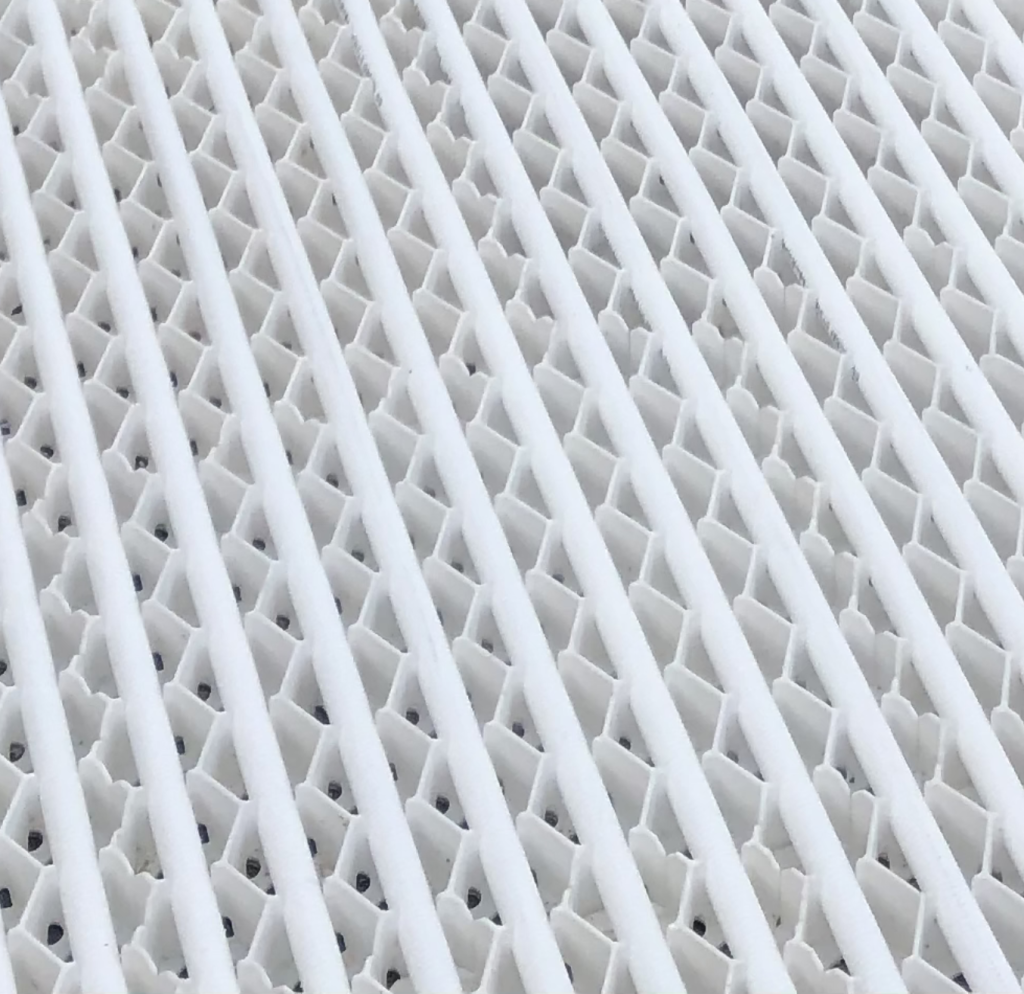
We provide specialist cooling floors for ice rinks, both temporary and permanent. Available in traditional concrete or our revolutionary modular ICEGRID system. We also install the underlying heater floors which protect your rink’s substructure from frost heave.
Decades of experience in both permanent and temporary ice rink cooling floors, with strict quality control and pressure-tested installations.
Concrete and modular cooling floor options
Traditional concrete floors with modern Electro Fusion (EF) welded pipework, or the revolutionary ICEGRID modular system which offers flexibility for year-round, seasonal, or temporary rinks.
Heater Floors and Frost Mats
Integrated heater floor systems designed to protect against frost heave, maintain substrate stability, and reduce long-term structural risks.
Specialist support
Consultancy and remedial services using thermal assessment to diagnose and resolve issues, ensuring reliable, long-term rink performance.
Traditional concrete cooling floors have been in existence for many decades with very few changes to their design. Advancements in electro fusion plastic welding have removed the risks of leaks that were common in earlier systems.
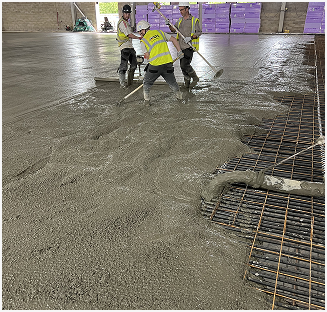
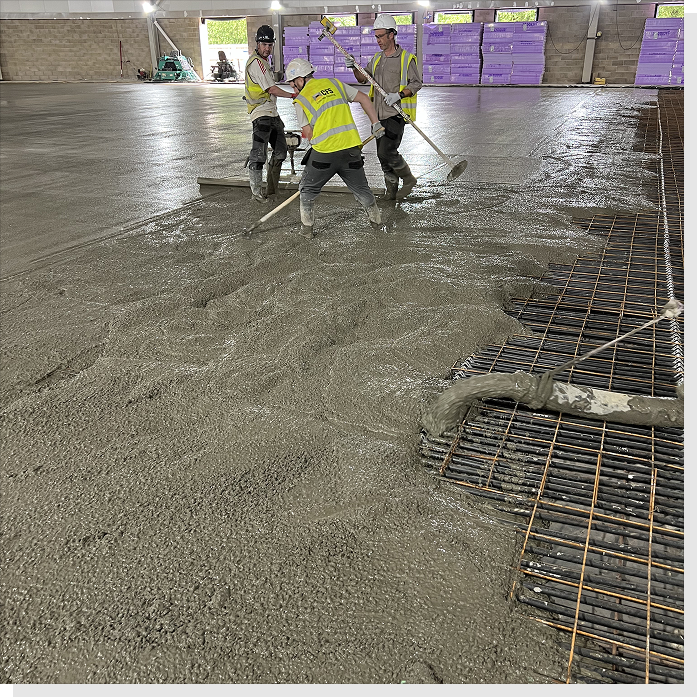
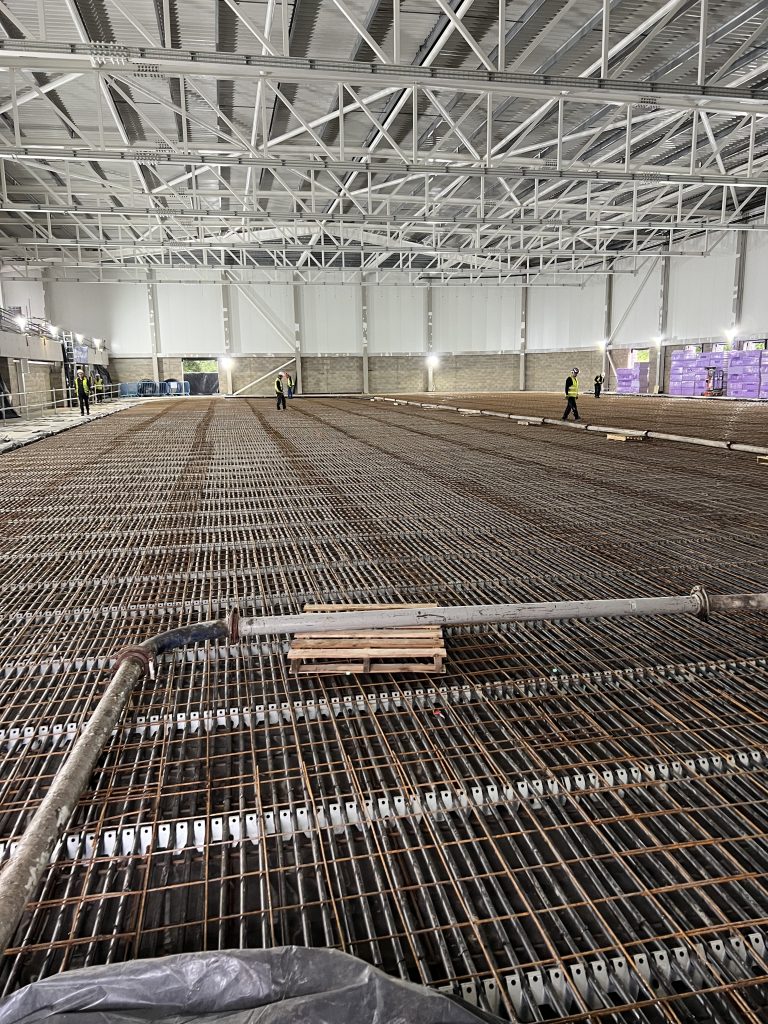
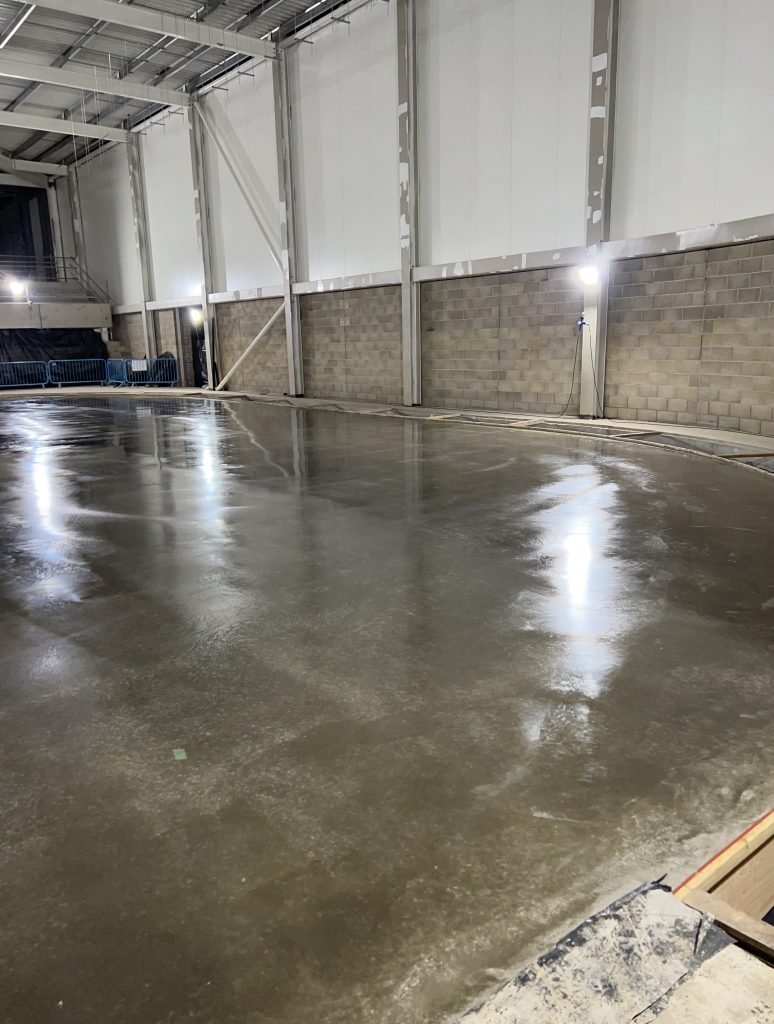
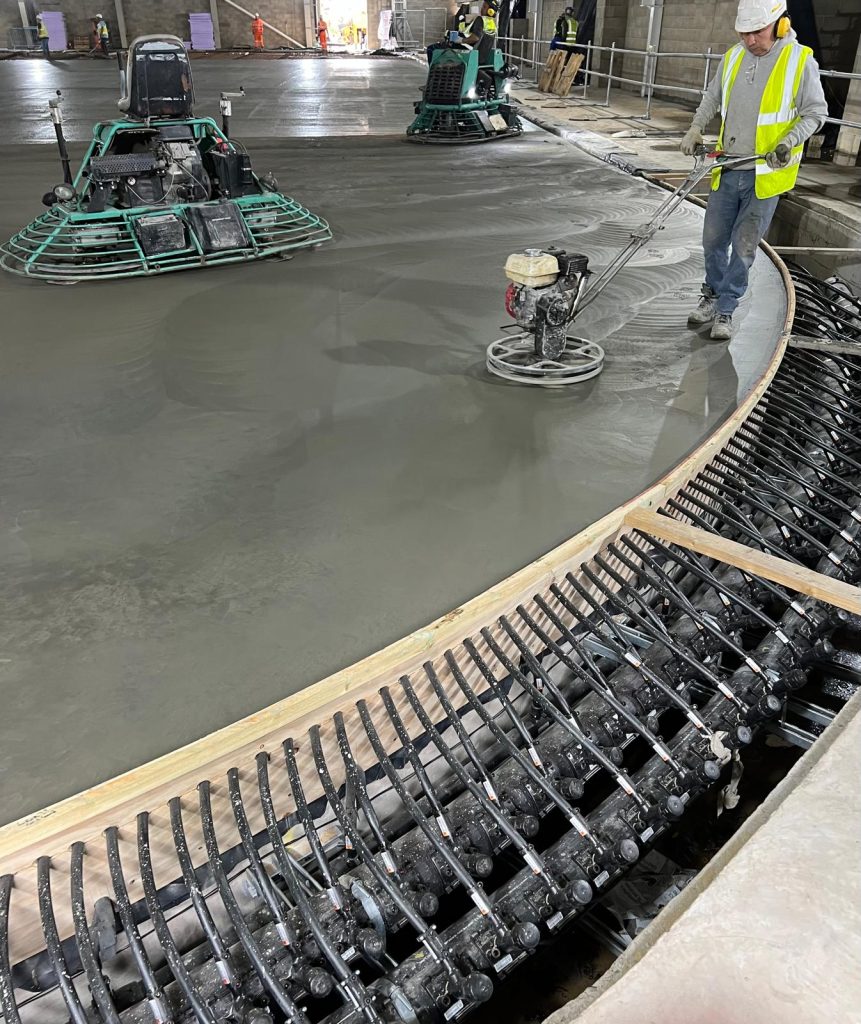
A modern concrete floor is built with a structural slab, heater floor, vapour membrane, insulation, slip pane, reinforced concrete with an embedded pipe matrix, and finally the ice layer. Each stage is monitored with pressure and water tightness testing to ensure the integrity of the whole system.
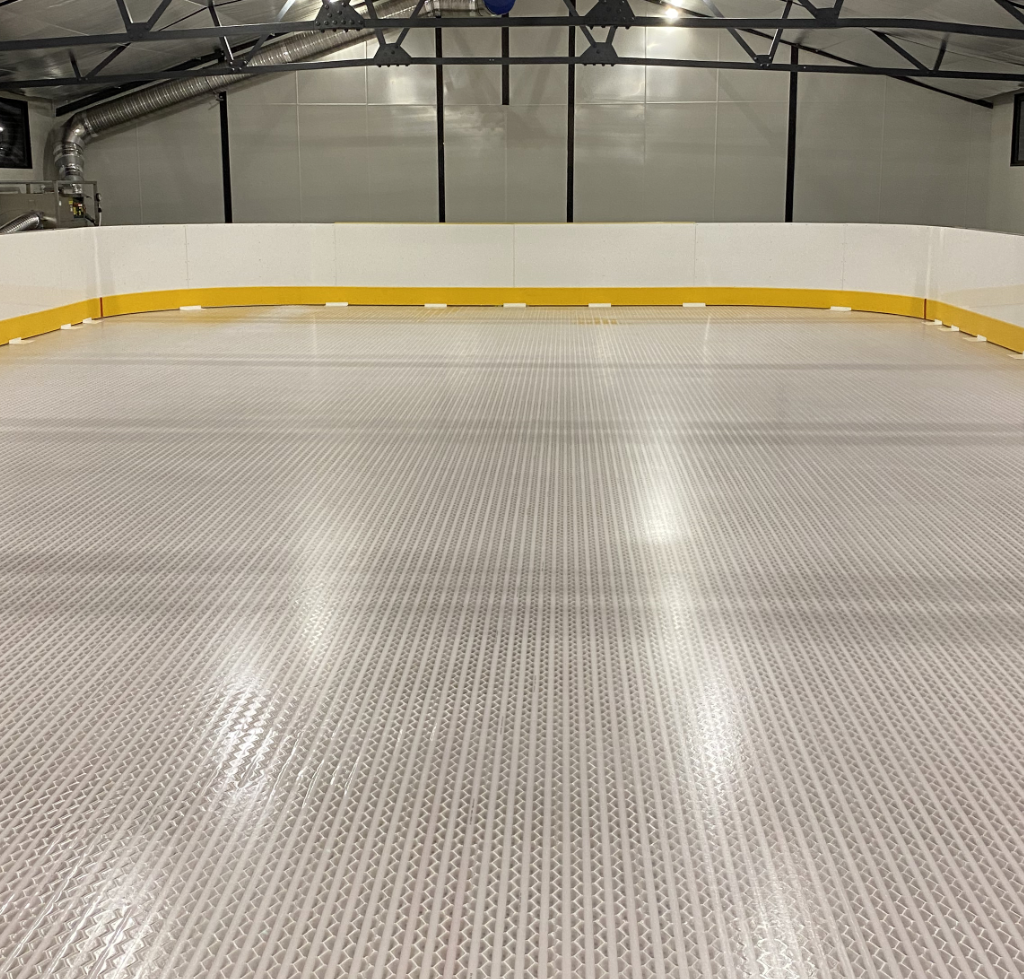
ICEGRID is a modular cooling floor manufactured from HDPE, designed in Germany, TÜV certified, and distributed and installed exclusively by Ice Tech in the UK, with availability for some overseas projects. It is recommended where a failed concrete floor requires overlaying, in new builds with year-round ice or for temporary rinks both indoors and outdoors.
ICEGRID has been installed at several Winter Olympic Games including Beijing 2022 and has been chosen for the 2026 Games in Italy. It is used in more than fifteen percent of UK rinks, with the first installation in 2003 still in service. For temporary use it has been installed at Somerset House in London and Winter Wonderland in Nottingham amongst several other temporary projects. ICEGRID is cheaper to construct than concrete, quicker to install, removable and relocatable. It delivers excellent ice quality through closer pipe centres, is more efficient than a concrete floor, and finance is available to support purchase.
An ice rink floor works much like an industrial cold store. Glycol circulates at sub-zero temperatures through the pipes set into the slab, cooling the surface so water above can freeze. Beneath the slab sits insulation to protect the sub-structure or ground below.
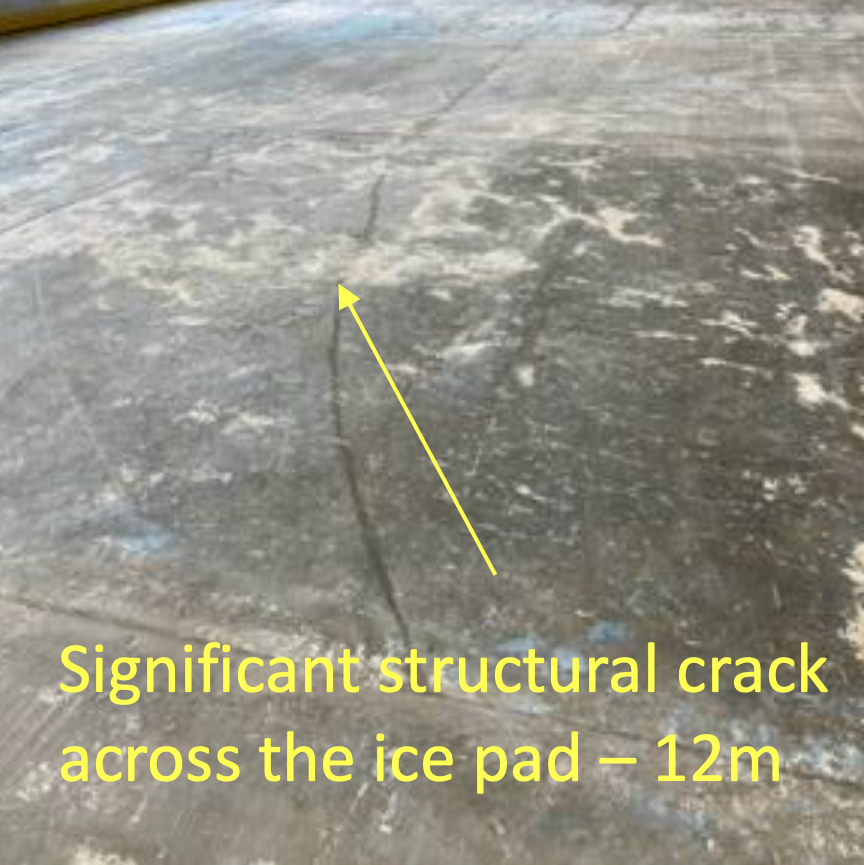
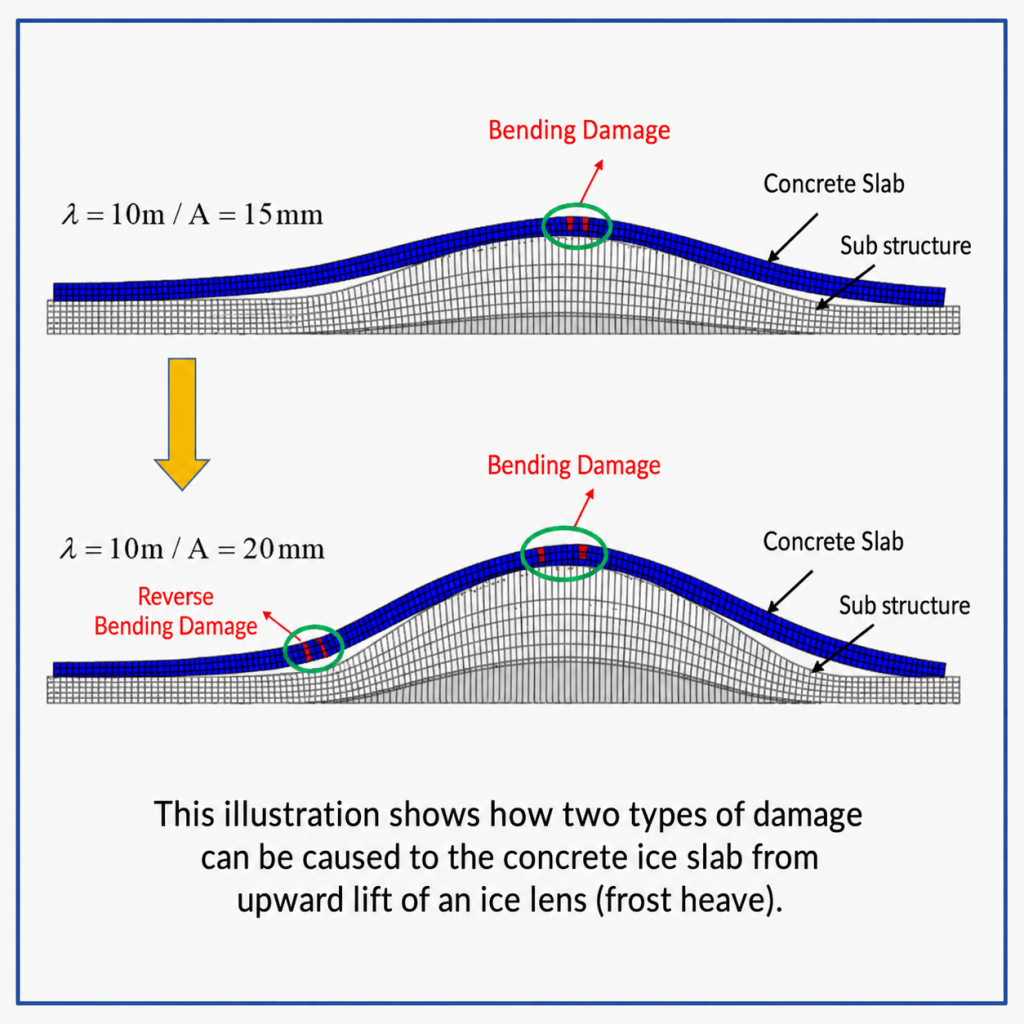
If insulation is breached, or water penetrates the concrete at the rink perimeter, groundwater can migrate and freeze into expanding ice lenses. Over time these lenses push upwards in a process known as frost heave, which can cause uneven ice, structural damage, and even force rinks to close.
To prevent frost heave, heater floors are constructed beneath the rink. These may be sand-filled or screed layers with glycol pipes maintaining a temperature between 6-10c, controlled by thermo-probes. Some rinks use electric heater blankets instead. Long-term maintenance of heater floors is essential, as failure can result in extremely costly repairs.
Signs of frost heave include lifting of the ice sheet, movement of barriers at the perimeter, or displacement of concrete around the rink edges. Using thermal cameras and probing we assess the extent of the problem and provide remedial solutions to restore stability and operation.
What types of cooling floors do Ice Tech UK provide?
We install both traditional concrete cooling floors and the ICEGRID modular cooling floor, offering permanent and temporary solutions to suit different rink projects.
How are concrete cooling floors built today?
Modern concrete floors use electro-fusion welded pipework to eliminate leaks and are constructed in layers that include a heater floor, insulation and reinforced concrete with an embedded pipe matrix, all pressure-tested for reliability.
When is ICEGRID the preferred option?
ICEGRID is recommended for overlays on failed concrete floors, new rinks with year-round ice, ice shows and arena events like Disney On Ice, and temporary indoor and outdoor installations. It has been proven at the Winter Olympic Games and is used in over fifteen percent of UK rinks.
What role do heater floors play in an ice rink?
Heater floors prevent frost heave by keeping the substrate beneath the slab at a controlled temperature. They may use glycol-filled pipes or electric heater blankets and require ongoing maintenance to avoid costly failures.
What support is available if frost heave occurs?
We provide specialist consultancy to investigate and resolve problems such as lifting ice sheets, moving barriers, or displaced concrete, using thermal assessment and targeted remedial solutions to restore safe operation.
Speak To Us Today
Ready to bring your project to life? We’d love to hear about your plans and help make them happen. Simply fill out the form, and a member of our team will be in touch to discuss your project. There is no pressure, just helpful advice and a clear plan to get started.
Choosing Ice Tech UK means opting for excellence in a wide range of services, including temporary ice rinks, equipment sales, new builds, and refurbishments. Our design consultancy ensures that every installation meets your event’s unique requirements. With years of expertise, we guarantee that every rink we create is safe, durable, and an exhilarating experience for skaters.
We are also proud to offer our services for film works and special projects, transforming your vision into reality, no matter the location.
Planning your next project? Download our comprehensive product specification sheets to get the exact data, layouts, and requirements you need to get started.