Ice rink netting
Key Features
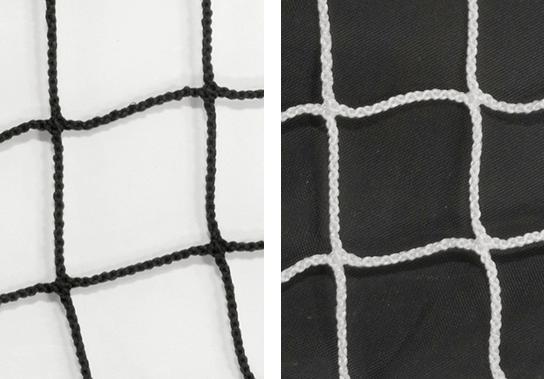
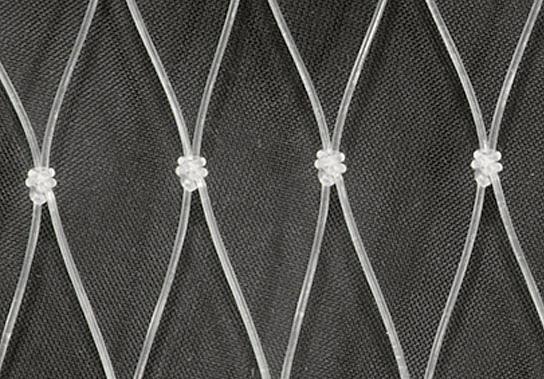
Chose Kevlar for maximum strengths ad where high quality tv production is required. Dyneema provides for near-invisible appliance, while monofilament provides for a discrete and cost-effective solution.
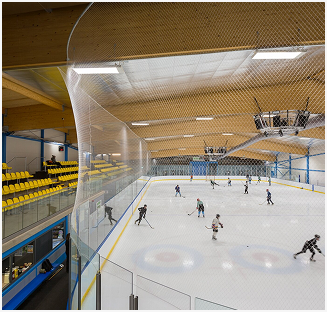
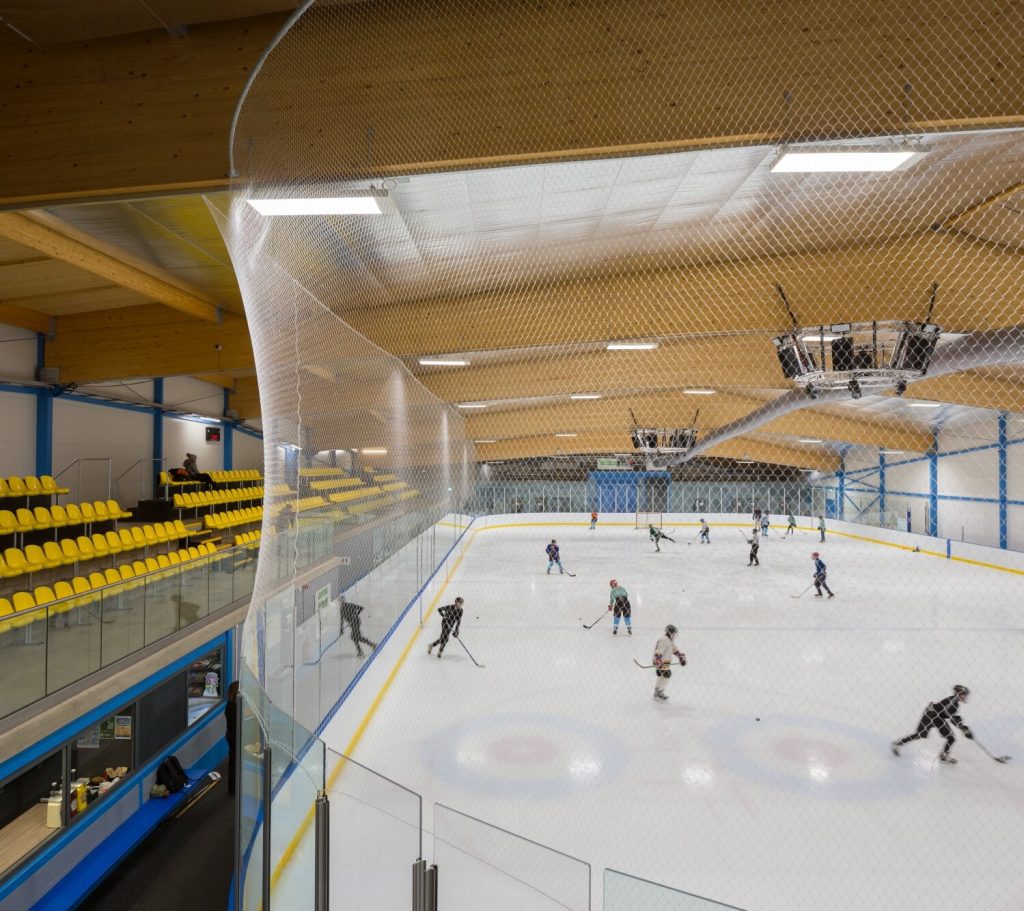
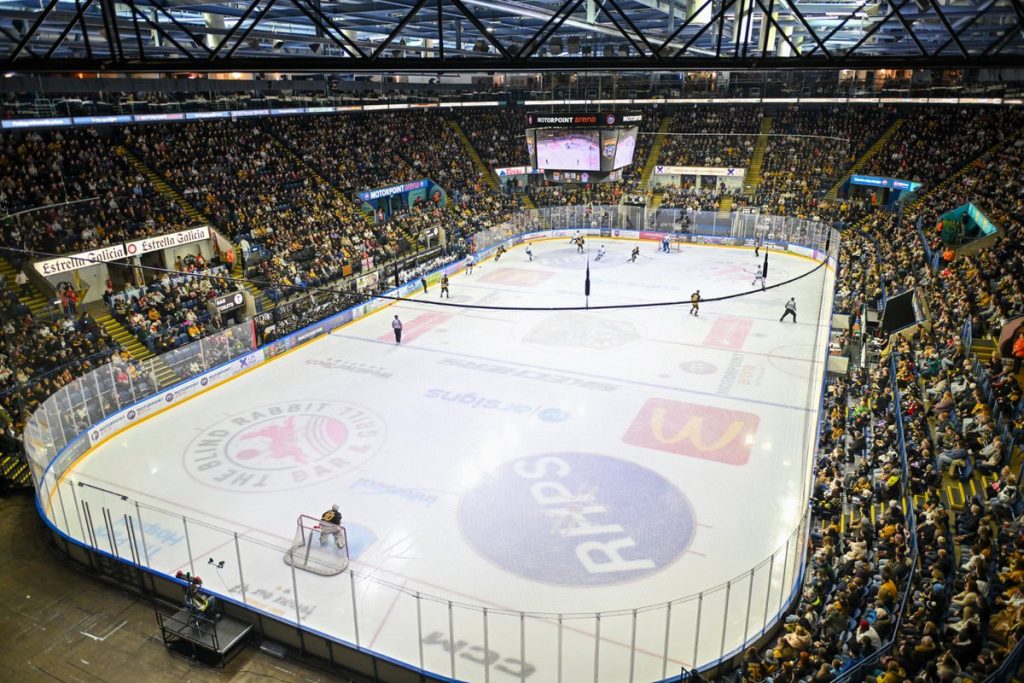
Materials and colours selected to minimise visual obstruction while maintaining reliable protection for spectators and players.
Our netting range
NETTING TYPES
Kevlar netting is the premium option for ice hockey arenas, offering exceptional strength and wear resistance for high-impact play. While more expensive, its longevity makes it a strong investment for professional venues.
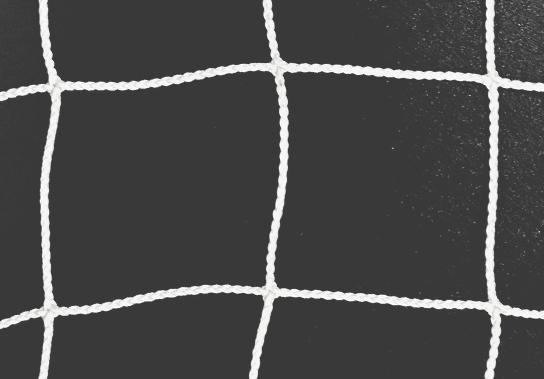
Dyneema®, made from ultra-high molecular weight polyethylene (UHMWPE), combines exceptional tensile strength with a thin, lightweight profile, making it the most discreet choice under arena lighting.
Monofilament netting, typically nylon or polyethylene, delivers a cost-effective, low-profile barrier with good strength, though it is less durable and clear than Dyneema®.
This remains our most widely used economical choice.
Retractable / Static Systems
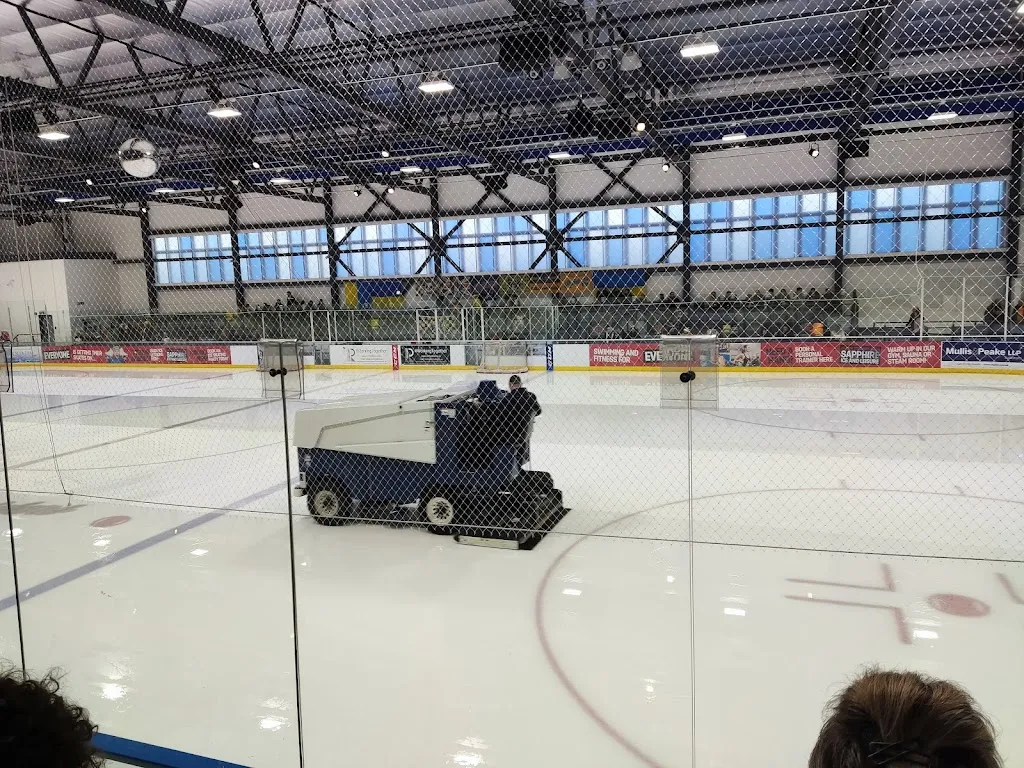
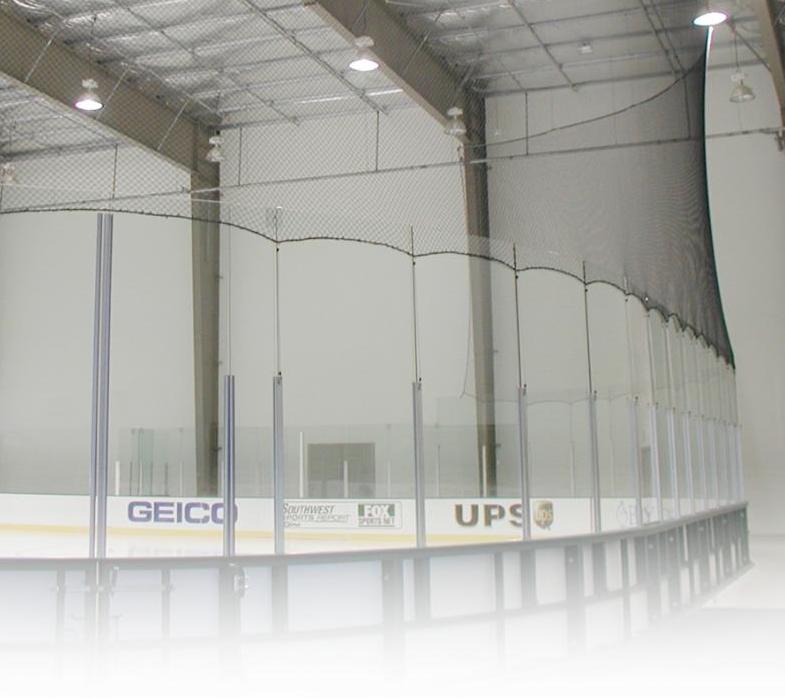
Static netting is permanently fixed and tensioned, providing continuous protection with minimal upkeep, making it the standard for most arenas.
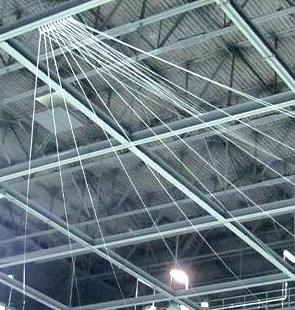
Retractable netting offers greater flexibility, allowing sections to be raised or lowered as needed, ideal for multipurpose venues or events where full enclosure isn’t required. These systems typically use motorised or pulley-driven mechanisms and demand precise installation to ensure smooth, reliable operation.
Product Specification
Frequently Asked Questions
What types of netting are used in ice hockey rinks?
Which netting is best for professional-level arenas?
Is nylon netting suitable for high-impact play?
What is the difference between static and retractable netting?
Do retractable netting systems require special installation?
They often use motorised or pulley-driven mechanisms and must be installed with precision to ensure smooth operation and consistent tension.